Osun Osogbo: Sacred Forest or Living Goddess?
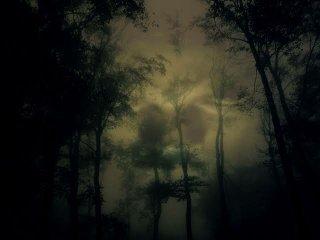
On the edge of Osogbo, a river is not just named after a goddess. For her devotees, the river is the goddess, and the forest around her has outlived empires.
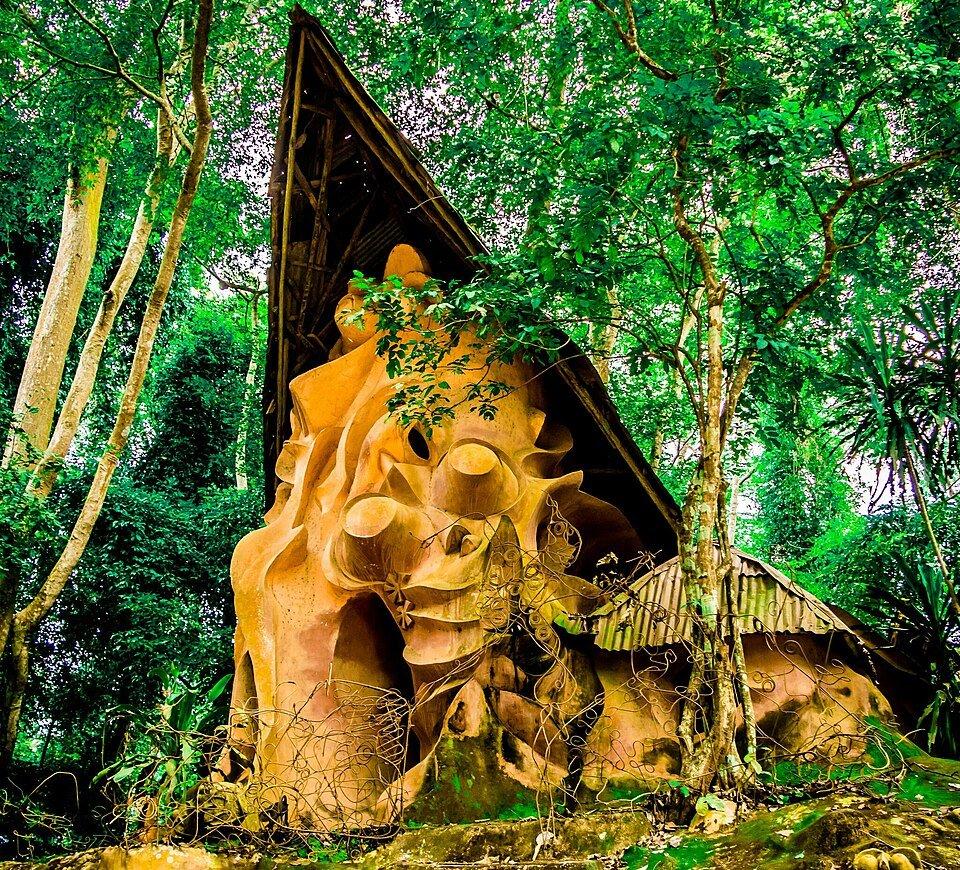
Image: ABORISADEADETONA
Osun Osogbo: Sacred Forest or Living Goddess?
There is a river in Osun State that people do not simply visit. They greet it. They kneel by it. Some believe, without a flicker of doubt, that the water flowing past their feet is not merely named after a goddess. It is the goddess.
We are used to stories of gods living somewhere far off, on a mountain or in the sky. Here, on the outskirts of Osogbo, the belief is far more intimate. Osun is not said to live near the river. The river is her.
A forest that should not still exist
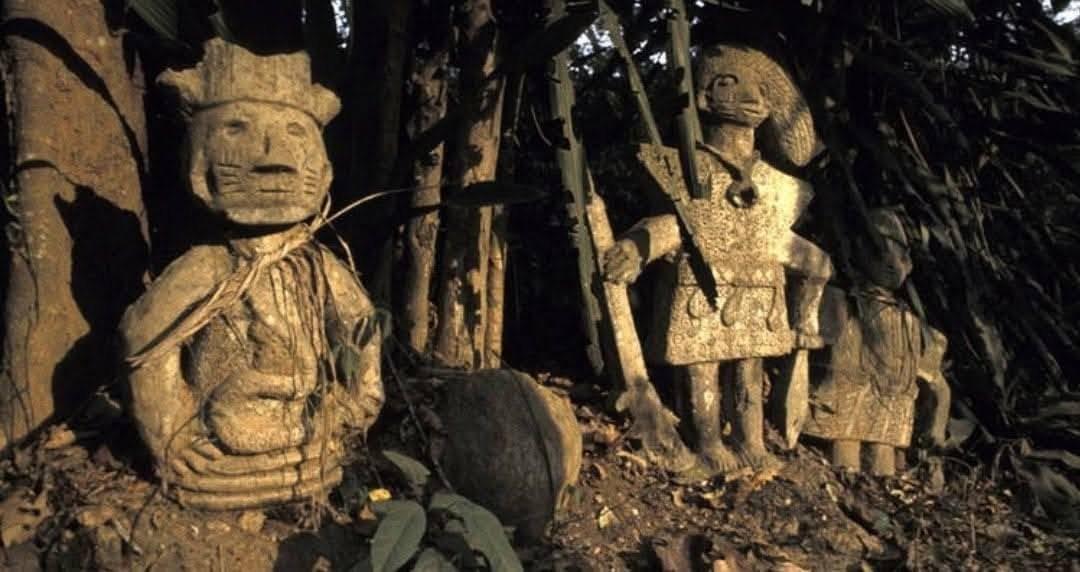
The Osun Osogbo Sacred Grove covers roughly 75 hectares of dense forest along the Osun River. UNESCO describes it as one of the last remnants of primary high forest in southern Nigeria. In the past, nearly every Yoruba settlement kept a sacred grove just outside its walls, a patch of land left alone because the divine was believed to live there. As towns grew and farmland expanded, almost all of them disappeared. This one did not, and UNESCO inscribed it as a World Heritage Site in 2005.
The woman who helped save it
The grove's survival was not guaranteed. By the middle of the twentieth century the sacred sites there had fallen into neglect and the forest was under pressure from farming and development. The Austrian born artist Susanne Wenger, who settled in Osogbo, became a devotee, took the priestly name Adunni Olorisha, and worked with local custodians to protect the grove. Her sculptures, built with local artists as part of what became known as the New Sacred Art movement, still stand among the shrines.
A covenant, renewed yearly
According to Osogbo tradition, early settlers struck a bargain with the river goddess: protection and blessing for the town, in exchange for yearly rites in her honour. That promise is still renewed each August during the Osun Osogbo Festival. A young woman called the Arugba carries the sacred calabash in procession from the palace of the Ataoja, the king of Osogbo, down to the grove, with devotees and visitors from across Nigeria and the wider Yoruba diaspora following behind.
What makes this different from ordinary heritage tourism is that nobody there is performing for an audience. For practitioners, the shrines, the trees and the river are not relics of something that used to be believed. They are a living address for the goddess herself.
Superstition, or something that simply outlasted its critics?
It is easy to label all of this folklore in fancy dress. But consider what has happened around it. Colonial administration came and went. Christianity and Islam arrived and grew, and many in Osogbo today belong to those faiths. Cities swelled. Yet a relationship between a people and a river has continued for centuries, renewed publicly every year so that each generation has to choose to keep it.
I do not think the question is whether you personally believe in Osun. I think the better question is why this particular covenant survived when so many others did not. A founding story, a physical place that anchors it, and a ritual that forces renewal rather than passive inheritance. That is a recipe any institution would envy.
Have you been to Osogbo, or grown up near a place like this? Tell me what you saw, and what you felt standing there.
Filed under: Entertainment and Culture, Features, Lifestyle and Society, Community, Food and Culture
- Osun Osogbo
- Yoruba religion
- sacred grove
- UNESCO
- Osun festival
- Osogbo
No comments yet. Be the first.