Is the Evil Forest Really Evil?
From the burial grounds of Igboland to the shrine groves of Okija, what Nigeria's most feared stretches of bush reveal about fear, power and memory.
Is the Evil Forest Really Evil?
I still remember the exact spot where the footpath narrowed and the elders would lower their voices. They did not shout a warning. They simply spoke softer, the way you do when you are not sure who is listening. That was the edge of the evil forest, and past it, we were told, something older than the village kept watch.
For years I filed that fear under village superstition, the kind of thing you outgrow once you own a degree and a phone with good data. Then I started reading, and the evil forest refused to stay in that box. It turned out to be less a ghost story than a record of how communities handled death, disease, power and the unknown.
What the forest was for
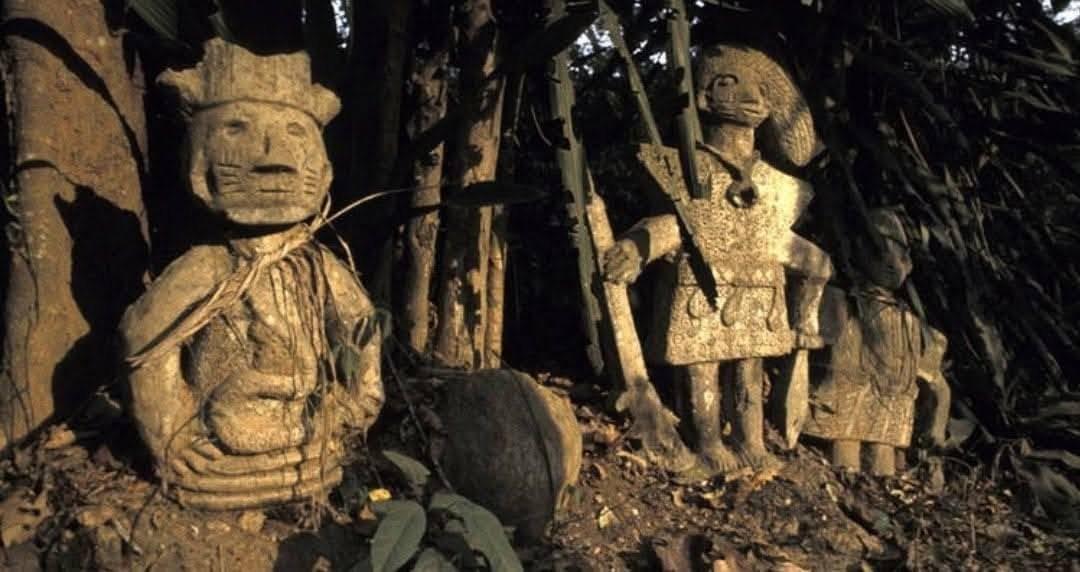
In parts of Igboland, the evil forest, often called Ajofia, was land set apart from the living community. Igbo accounts, and Chinua Achebe's Things Fall Apart, describe it as the place where those who died bad deaths were left, including victims of feared diseases and people a community judged ritually unclean. Nobody farmed there. Nobody cut firewood there. The taboo did the work of a fence.
Read that way, the custom looks almost practical. Keep the sick and the dead away from the living, and give everyone a reason to obey without needing a health ministry to enforce it. Whether the people who first set these rules thought of it so, I cannot claim. But the effect is hard to miss.
Arochukwu and the power of an unseen judge
Then there is the darker chapter. In Arochukwu, in present day Abia State, the oracle Ibini Ukpabi, which the British nicknamed the Long Juju, drew people from across the region to settle disputes, from murder accusations to witchcraft claims. There is a long and unresolved argument about what happened to some who lost their cases there, and I take it up in a separate piece in this series. For now, the point is how effectively fear of the unseen kept people from asking questions.
Okija, 2004
In 2004, police raided shrines at Okija in Anambra State and reported finding human remains and coffins. Reports from the time also spoke of a list of prominent people said to have sworn oaths there. The country was shaken. The debate that followed has never fully settled: how much was criminality hiding behind ritual, and how much was custom misread by people who no longer understood it?
Igodo, and a generation of nightmares
Nollywood absorbed this fear whole. Andy Amenechi's 1999 film Igodo: The Land of the Living Dead sent warriors into a forbidden forest in search of a way to break a curse on a kingdom. A generation of us watched half laughing, half too scared to walk to the outside toilet after dark.
The twist nobody expected
In Things Fall Apart, the elders give the missionaries a plot in the Evil Forest, fully expecting the strangers to die within days. They do not, and the church takes root. Historians of missionary encounters in Igboland describe similar situations, where land in feared forests was handed to newcomers. Once people saw outsiders living on that ground unharmed, the forest's fearsome reputation took a serious blow, and many such lands were later cleared for churches, schools and homes.
So, evil?
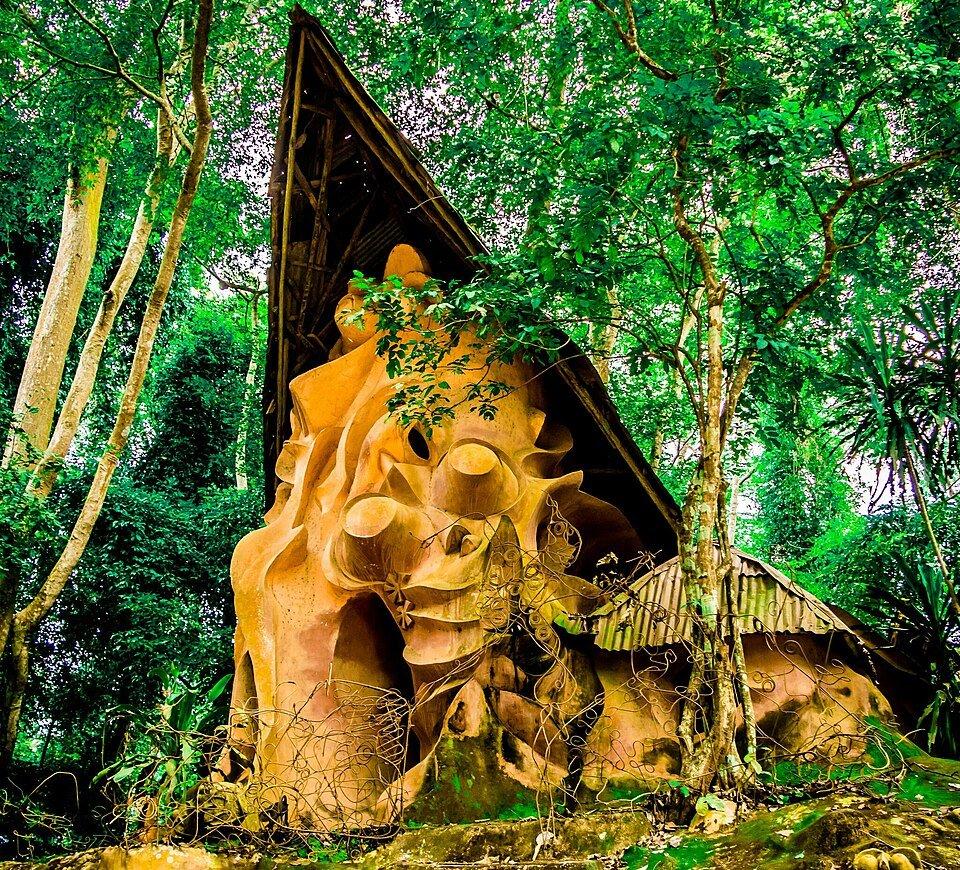
I think the word does too much work. Some of these places were burial grounds. Some were sacred land that elders say belongs to deities and ancestral spirits. Some, as in the case of Arochukwu, may have been used by people to hide very human wrongdoing behind a very convincing mask. Calling all of them evil flattens a complicated history into one frightening word.
What I keep returning to is this. Fear, once properly planted, does not need spirits to keep growing. And if spirits are real, they do not need our permission to exist.
So when you stood at the edge of that forest as a child, with your heart pounding like drums at a masquerade, what were you really afraid of? The spirits, or the weight of every story you had been told about them?
Filed under: Education, Entertainment and Culture, Human Nature, Popular Culture
- Evil Forest
- Ajofia
- Igbo culture
- Okija
- Arochukwu
- Nigerian folklore
No comments yet. Be the first.