The Long Juju of Arochukwu: Oracle or Slave Trade Machine?
For generations people travelled to a cave oracle in Arochukwu to have their cases judged by a god. Britain destroyed it in 1902, and the argument over why has never stopped.
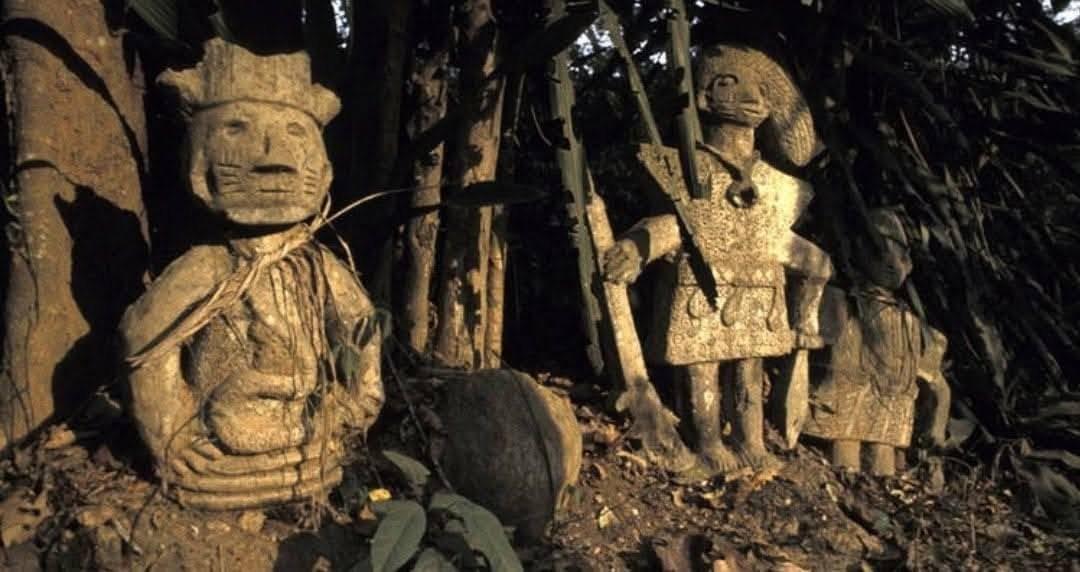
Image: History_Daily
The Long Juju of Arochukwu: Oracle or Slave Trade Machine?
Picture a man accused of witchcraft, in a village far from Arochukwu. He is told there is only one way to clear his name. He must travel to a cave, and let the voice of a god judge him. If he is guilty, the god swallows him. If he is innocent, he walks home free. People made that journey for generations. Not everyone came back.
I grew up hearing about the Long Juju in fragments, half history lesson, half ghost story. The more I read, the more layered, and the more uncomfortable, it became.
What the oracle was
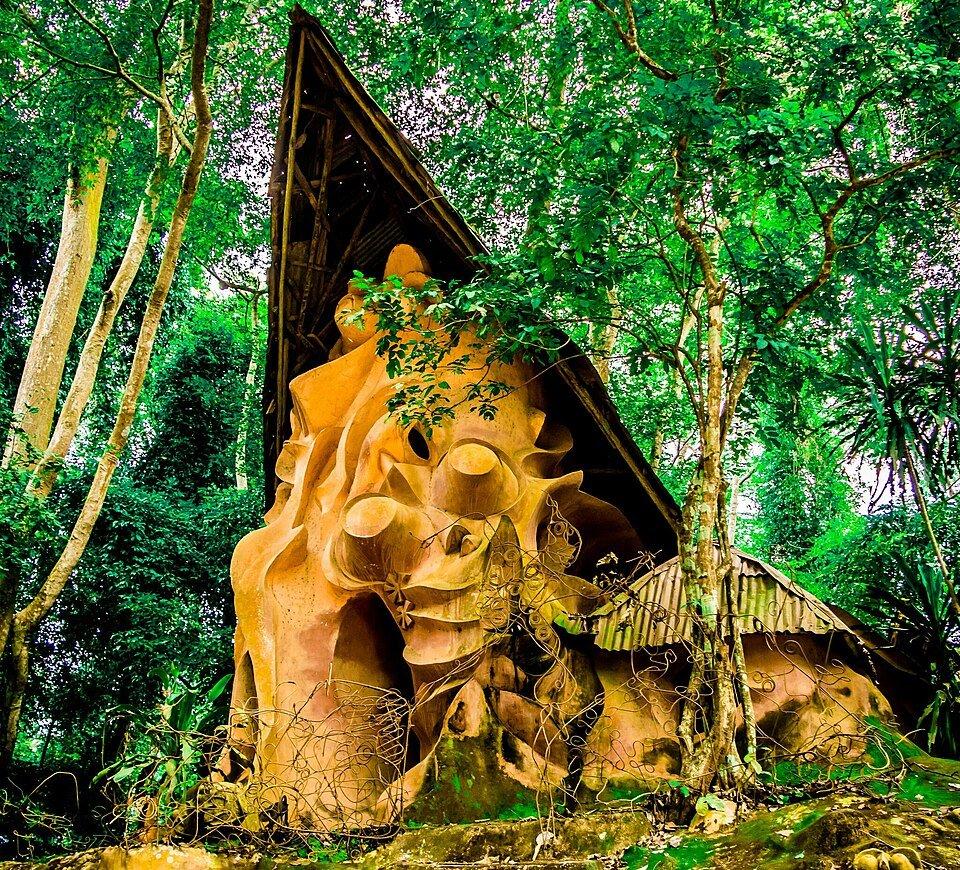
Ibini Ukpabi, which the British nicknamed the Long Juju, was an oracle at Arochukwu in what is now Abia State. It was used to settle serious matters, including murder, witchcraft, poisoning and family disputes, and its authority was recognised across a wide area of the Niger Delta region. It sat at the centre of the Aro Confederacy, a powerful network of Igbo traders and religious authorities whose influence stretched well beyond Arochukwu itself.
The accusation
The charge against the oracle is a grim one. Over time, it is alleged, the priests who ran it stopped destroying those judged guilty and began selling them into slavery instead, and some verdicts are claimed to have been rigged to supply captives for that trade. According to this account, relatives back home were told the god had devoured the loser, while the person had in fact been sent down trade routes toward the coast.
1901 and 1902
Britain used this account as a justification for war. In late 1901, a force under Lieutenant Colonel Arthur Forbes Montanaro, said to number about 1,600 troops advancing in four columns, moved on Arochukwu with Maxim guns and rockets against defenders who had nothing comparable. Arochukwu fell after several days of fighting in December, and the shrine was destroyed in early January 1902. The Aro Confederacy collapsed soon after. Officially, the campaign was an anti slavery operation.
The other story
Not everyone accepts that account. Voices from Arochukwu today argue that the link between the shrine and the slave trade was a story spread to discredit the Aro people, and that Britain used it as moral cover for what was really a war to take control of trade routes and territory. Historians have noted that the Aro were powerful commercial rivals to British interests in the region, which gives that argument more weight than a quick dismissal would allow.
What survives
The most surprising part of the story is the ending. The shrine was never permanently erased. A rebuilt Ibini Ukpabi stands in Arochukwu today and serves largely as a heritage and tourist site.
So, which story is true?
I suspect both carry a piece of it. An institution can be genuinely corrupted from within and also be conveniently demonised from outside. Both things can happen at once, and the people who were there are not around to settle it for us.
Every organisation that collapses leaves behind two histories, the one written by whoever inherits control of the narrative, and the one carried quietly by the people who lived it. What do you think happened at Arochukwu? I would especially like to hear from anyone whose family history runs through that region.
Filed under: Global Mysteries, Forgotten History
- Arochukwu
- Ibini Ukpabi
- Long Juju
- Aro Confederacy
- Anglo-Aro War
- Igbo history
No comments yet. Be the first.