The Benin Bronzes: Art, Plunder and a Debt Still Unpaid
From the British raid of 1897 to returns from Germany, Cambridge and the Netherlands, where the world's most famous looted art collection stands in late 2026.
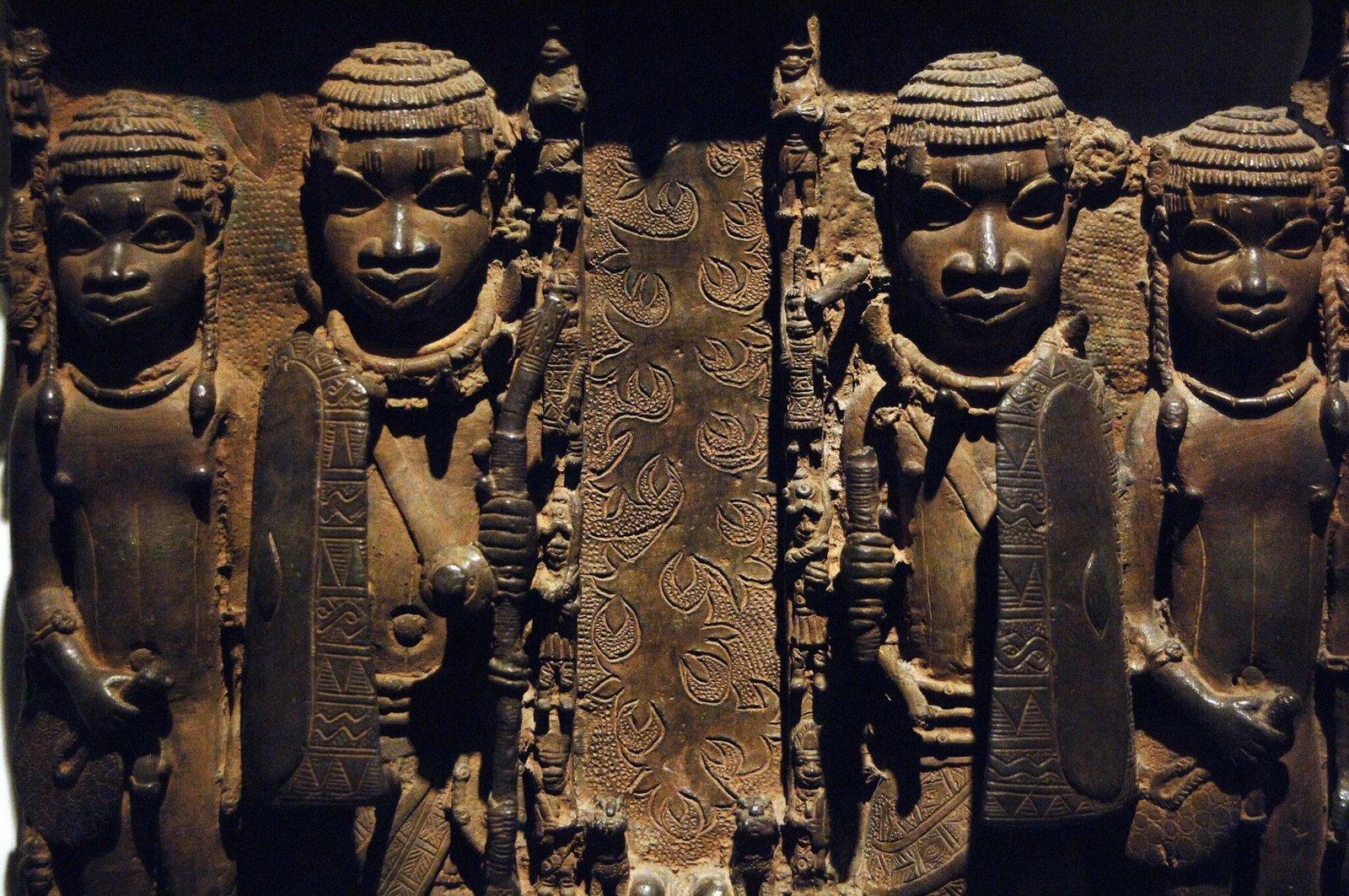
Image: AWL Images
The Benin Bronzes: Art, Plunder and a Debt Still Unpaid
Imagine that the royal palace of a great city is entered by a foreign army. Its brass plaques, ivory carvings and cast heads, some made centuries earlier, are carried out, shipped abroad, and sold. Then imagine that more than a hundred years later, the descendants of that palace are still writing letters asking for them back.
That is the story of the Benin Bronzes, and the final chapter has not yet been written.
What was taken
In 1897, a British military expedition attacked Benin City, the capital of the Kingdom of Benin in what is now Edo State, Nigeria. The British forces looted the royal palace and the city. The kingdom's ruler, Oba Ovonramwen, was deposed and sent into exile in Calabar.
The objects taken, including brass plaques, sculpted heads, ivory works and ceremonial items, ended up scattered across the world. Estimates run to thousands of pieces. The British Museum says its own set of brass relief plaques probably dates from about 1500 to the mid 1600s. These were not casual souvenirs. They were royal records and ceremonial art, a way of preserving the kingdom's history in metal.
A very long ask
The requests for return are not new. The Oba of Benin at the time, Akenzua II, pursued the matter in the 1930s and 1940s, including a formal request made through a lawyer in 1943. The Nigerian government has been asking museums to return Benin objects since around that time. In October 2021, the Nigerian government formally asked the British Museum to return its collection.
The turning point
The real shift began in the early 2020s. In 2021, Germany announced it would return Benin objects held in its museums, and in December 2022 it formally handed over 22 objects in Abuja, with ownership of over a thousand pieces transferred to Nigeria. Some objects remain in Germany on loan. In the same period, London's Horniman Museum began returning its 72 Benin objects, calling the move moral and appropriate, and the Smithsonian's National Museum of African Art voted to return 29 works.
Since then the pace has quickened. The Netherlands returned 119 Benin Bronzes to Nigeria in what has been described as the largest handover of its kind, saying that it was acting unconditionally, recognising the objects had been looted in 1897. In February 2026, the University of Cambridge agreed to transfer ownership of 116 Benin Bronzes to Nigeria, after an earlier delay caused by confusion between the Nigerian state and the Oba.
The holdout
The British Museum holds more than 900 objects from Benin, with over a hundred on rotating display in its Africa galleries. It says it is committed to continuing engagement with Nigerian institutions, and that it is prevented by the British Museum Act of 1963 from permanently removing items from its collection. As of this writing in November 2026, I could find no report of the museum having transferred ownership of any of them.
The pressure continues. In mid October 2026, the peer and former minister Lord Boateng told a Chatham House audience that the museum had spoken about reparative justice without delivering it, and called for the full return of its Benin Bronzes and other contested objects.
Return to where, and to whom?
This is where the story becomes more complicated. Nigeria has struggled with the question of who should receive the returned works and where they should be shown. In 2023, the Nigerian government recognised the Oba's rights over the Benin Bronzes, ending a disagreement between the Oba and the Edo state government. A planned new museum in Benin City, the Museum of West African Art, was expected to open in November 2025, but its launch was met with protests on 9 November, and reports in early 2026 suggested that plans for a separate royal museum appeared stalled. In the meantime, about 100 returned works have been shown at the National Museum in Benin City.
So even where the bronzes are going home, the road is bumpy. Returning an object is the start of a conversation about stewardship, not the end of it.
What a debt like this means
I find it hard to think of the Benin Bronzes as only an art story. They are a reminder that a country's memory can be physically removed, and that getting it back takes patience, paperwork and politics, much of it still unresolved.
When something was taken by force, what does fair return look like, and who should decide? I would like to hear what you think.
Filed under: Entertainment and Culture, Visual Arts
- Benin Bronzes
- restitution
- Oba of Benin
- British Museum
- Edo
- looted art
- Nigerian history"
No comments yet. Be the first.