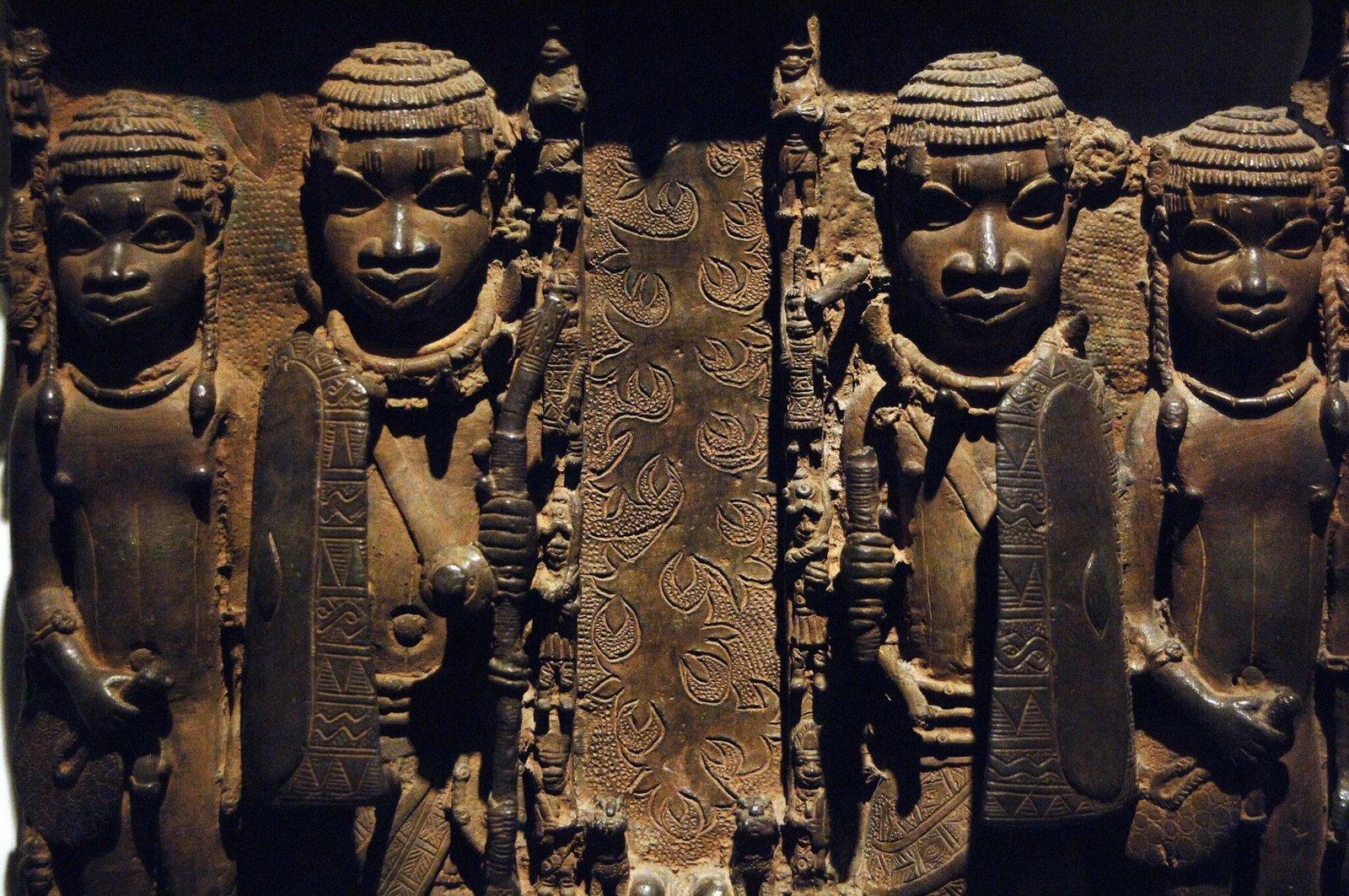
Things Fall Apart: Prophecy or Historical Record?
Umuofia never existed and Okonkwo never lived, yet historians keep reaching for Achebe's novel to explain what colonial contact felt like on the ground.
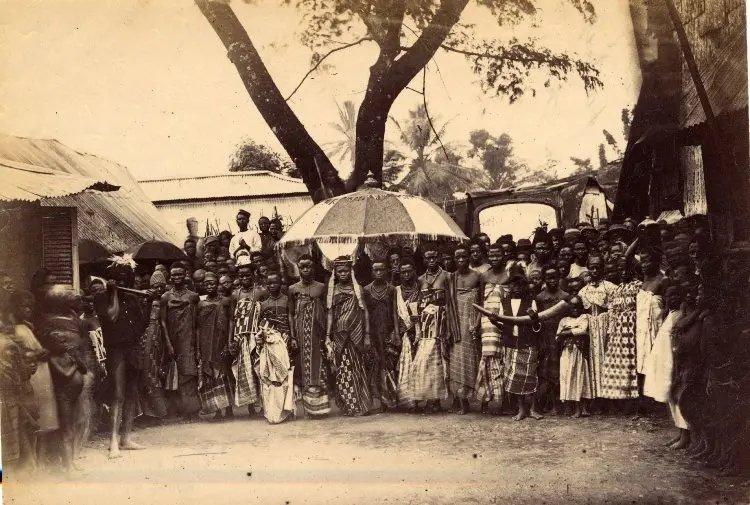
Image: rpublc.com
Things Fall Apart: Prophecy or Historical Record?
Ask ten Nigerians whether Things Fall Apart really happened, and you will get three arguments before anyone finishes their drink. Some will say it is history. Some will swear their grandmother told them the same story. Strictly speaking, none of it happened. Umuofia is invented, Okonkwo is invented, and so are the nine villages that make up the clan. And yet historians keep reaching for this novel when they want to explain what colonial contact felt like on the ground.
An invented village in a real world
Chinua Achebe published the book in 1958 with Heinemann in London, and it became the first title in the publisher's African Writers Series. He was born in 1930 in Ogidi, one of the early centres of Anglican missionary work in eastern Nigeria, and his parents, Isaiah and Janet Achebe, were mission teachers. He grew up between two worlds, the Igbo world of his community and the church and school world of the missionaries. The novel is built from that double vision.
It is set in the late nineteenth century, as missionaries and colonial officers first reach Igboland. The first part shows Igbo society on its own terms, with its yam economy, its councils of elders, its festivals and its harsh judgements. Only then do the white men arrive.
Abame and Ahiara
The most striking link between fiction and record is the fate of Abame. In the novel, the people of Abame kill the first white man who appears among them, a stranger riding an iron horse, which is a bicycle. Soon afterwards the colonial force destroys the village on market day.
Scholars have pointed to a real incident that closely resembles it. In 1905, a British colonial doctor named J.F. Stewart was killed at Ahiara, in the Mbaise area, and the British response was severe. The critic Robert Wren notes how closely Stewart's death and its aftermath resemble Obierika's account of Abame.
There is a wrinkle worth noticing. The novel places Abame's destruction before 1901, while Stewart died in 1905. Achebe was not copying a news report. He was compressing, moving and reshaping events, the way a novelist does.
A collision of two ways of ruling
A quieter piece of history sits in the novel's courts and messengers. Scholars describe Igbo politics as largely communal, built on discussion and collective decision. British colonial government was hierarchical and expected orders to be obeyed. The British treated the Igbo as a single administrative unit and created warrant chiefs to rule through, an arrangement that fitted poorly with how Igbo communities actually governed themselves.
The humiliations that the District Commissioner's court messengers inflict on Umuofia's leaders near the end of the book are fiction. The collision behind them is not.
A book written back
Many readers see the novel as a reply to earlier European books about Africa, such as Joseph Conrad's Heart of Darkness and Joyce Cary's Mister Johnson, where the continent serves mostly as darkness or backdrop. Achebe's answer was to give the Igbo world an interior of its own, with proverbs, law, quarrels and tenderness, flaws included.
The title comes from W.B. Yeats's poem "The Second Coming", with its line about things falling apart and the centre failing to hold. Achebe borrowed a European poet's image of collapse to describe an Igbo one.
One detail surprises people. According to one study guide, Achebe wrote with readers beyond Nigeria in mind, and the book was not widely read by Nigerians at first. Independence in 1960 changed that, and the novel came to be valued at home for what it said about the country's own history.
Prophecy, then?
There is one prophecy inside the story. Obierika tells how the oracle of Abame had warned that more white men were on their way and that destruction would follow. The villagers who killed the first stranger paid for it.
Calling the novel itself a prophecy is a stretch, because it describes things that had already happened. But it does something prophecy often does. It shows a people how they arrived at the place where they now stand.
So record, or prophecy? I would say neither. It is fiction that sits so close to what historians know that readers keep mistaking one for the other, which is perhaps the highest compliment a novel can receive.
Which part felt truest to you, the wrestling matches, the oracle, or that last scene at the District Commissioner's door?
Filed under: Education, Entertainment and Culture, Learning and Teaching, Books and Literature
- Igbo history
- Things Fall Apart
- Chinua Achebe
- colonialism
- Abame
- Ahiara
- Nigerian literature
No comments yet. Be the first.